
Request a Demo

Law Firm Pushes Back on AI Accusations After Court Flags Faulty Citations

By CloudLex Team

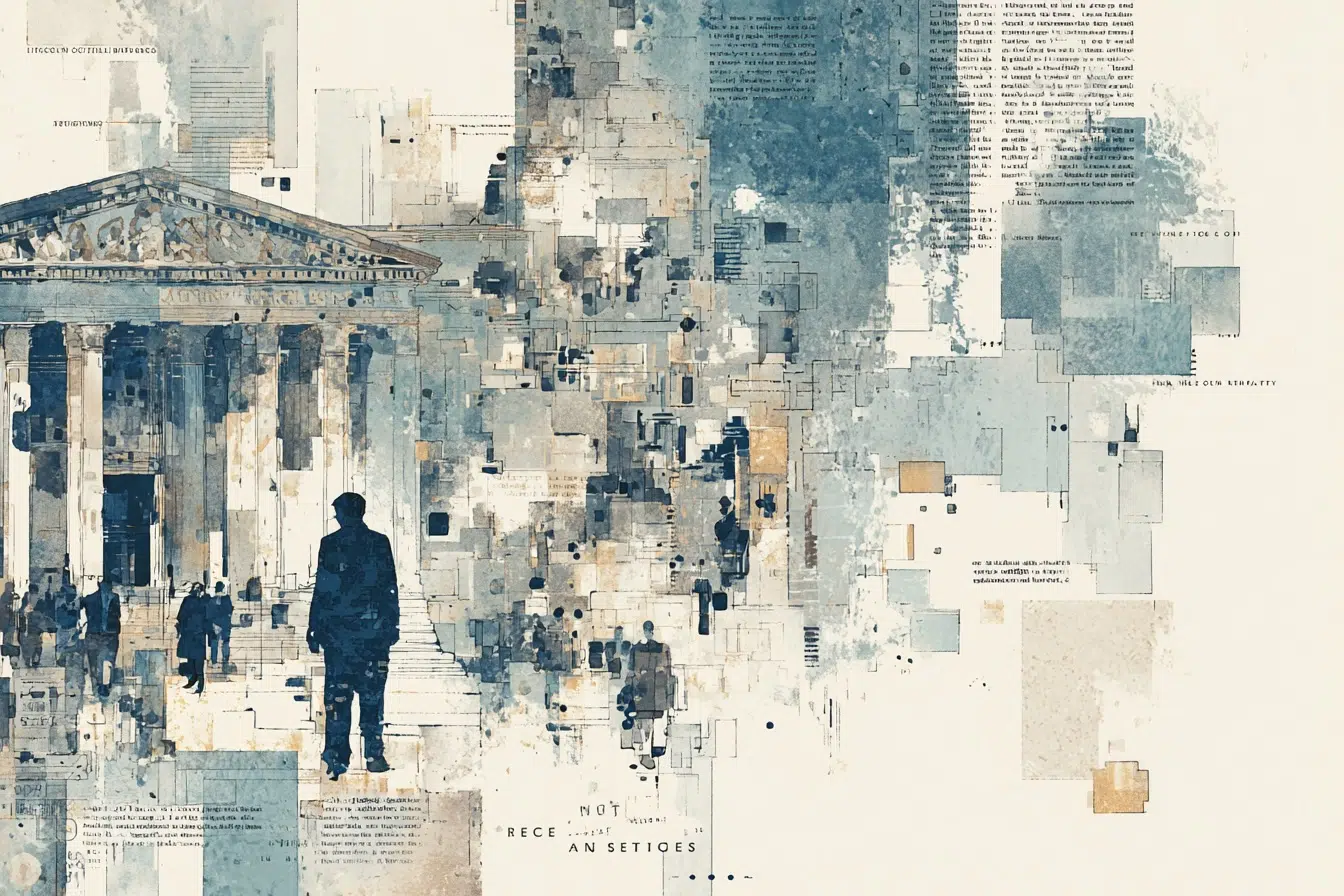
Law Firm Pushes Back on AI Accusations After Court Flags Faulty Citations - Article Image

A prominent law firm has denied using artificial intelligence to generate flawed legal citations after a federal judge identified multiple citation errors in a motion to dismiss. The firm’s formal court filing clarifies that the mistakes were human in origin, offering an important counterpoint in a series of high-profile incidents about the role of generative AI in legal drafting.

This article was originally published in the Trial Lawyer’s Journal. Explore more stories here.

In the U.S. District Court for the Northern District of Georgia, defense counsel representing Bank of America in Ringer v. Bank of America, N.A. responded to a judicial order to show cause why sanctions should not be imposed for inaccurate legal citations. In a sworn declaration, the attorney denied that ChatGPT or any other AI-based system was used to prepare the contested filing. Instead, the errors were attributed to improper internal drafting methods and a failure to perform a final citation check.

What Happened in the Georgia Case

In November 2025, the court issued an order identifying “multiple inaccurate quotations or citations,” prompting an Order to Show Cause to defense counsel. In response, the attorney acknowledged that several case citations and quotations in the brief were incorrect but stated unequivocally that no generative AI tool was used in the research or drafting of the motion. All research was performed manually using Westlaw and other traditional legal research tools.

The filing detailed how a mixed working document — combining copied excerpts, summaries, and paraphrased notes — was mistakenly integrated into the final brief without adequate verification. The lawyer took full responsibility, describing the oversight as a human error exacerbated by insufficient quality control.

Remedial steps described in the filing included stricter internal protocols for citation verification, secondary review of briefs, and additional training for attorneys — measures meant to prevent similar errors in the future.

AI Hallucination Sanctions and Court Scrutiny

This dispute comes as U.S. courts increasingly confront the issue of “hallucinated” citations: non-existent or fabricated authorities that sometimes emerge when generative AI tools are used without rigorous human oversight.

Federal courts and state tribunals have sanctioned lawyers for submitting filings containing AI-generated fake cases. In Colorado, two attorneys were fined under Federal Rule of Civil Procedure 11 for submitting briefs with nearly 30 defective citations generated by AI tools. The court emphasized attorneys must verify all sources, regardless of how they were generated.

In Wyoming, three lawyers from a major plaintiffs’ firm were fined after their motion included eight fabricated case citations produced by AI. The court fined the drafting attorney $3,000 and additional sanctions on supervising counsel for inadequate supervision.

In a separate case in California, a state appellate court fined an attorney $10,000 for filing an appeal with dozens of fake quotations generated by ChatGPT, warning that attorneys must personally verify every citation.

Other federal judges have imposed personal monetary sanctions or removed counsel after finding AI-generated fake legal authorities in filings, reflecting a broader trend of judicial skepticism and enforcement.

Why Citation Integrity Matters

Legal citations serve as the backbone of adversarial legal argument. Courts rely on accurate authorities to assess the merits of disputes; submitting inaccurate or misleading citations — whether from human error or AI hallucinations — threatens the integrity of the judicial process. Failure to conduct a thorough cite check can violate professional conduct rules, including obligations of candor and diligence under Model Rule 3.3 and research accuracy under Rule 1.1.

Judges have become explicit in instructing attorneys that AI tools do not absolve them of the duty to verify every source. In some cases, courts have required attorneys to refund fees, pay opposing counsel’s costs, or undergo disciplinary review for failures tied to AI-generated errors.

What Happens Next

In the Georgia Ringer case, the court has not yet ruled on whether sanctions will be imposed following the firm’s detailed response and remedial assurances. The dispute highlights an important distinction in the current era of legal technology: not all citation errors stem from AI use, but courts scrutinize all filings for accuracy regardless of origin.

Across the legal profession, firms are updating internal policies — including citation verification requirements, training on AI limitations, and clear guidelines about acceptable AI use — to mitigate risks and preserve professional credibility.

As courts continue to shape norms around AI’s place in legal practice, attorneys must balance efficiency gains from new tools with their foundational ethical obligations to ensure accuracy, integrity, and trust in the judicial system.

Sources

Share

Featured Articles

View More
Michael-Stephenson's Closing Argument

Michael Stephenson’s “Closing Argument”

Holding corporations accountable through personal injury law
Read more
Boeing Settles Ethiopian Airlines Flight 302 Case Ahead of $28 Million Verdict

Boeing Settles Ethiopian Airlines Flight 302 Case Ahead of $28 Million Verdict

Boeing settlement underscores aviation accountability and risk
Read more
Could RICO Finally Hold Big Pharma Accountable for Hidden Drug Risks?

Could RICO Finally Hold Big Pharma Accountable for Hidden Drug Risks?

Actos RICO case signals stronger pharma accountability
Read more
Closing Argument Cover Alyce Wittenstein

Alyce Wittensteins “Closing Argument”

Contingency fees make justice more accessible
Read more
Cynthia Attard's Closing Argument

Cynthia Attard’s “Closing Argument”

Confidence grows through humility, patience, and grit
Read more
Jason DeSouza's Closing Argument

Jason DeSouza’s “Closing Argument”

Purpose and financial strength can work together
Read more
Adam Wolk's Closing Argument

Adam Wolk’s “Closing Argument”

Personal injury law helps keep society safe
Read more
Sylvia V. Gonzalez’s “Closing Argument”

Sylvia V. Gonzalez’s “Closing Argument”

Let doubt fuel your drive to succeed
Read more

Share your story with Trial Lawyer’s Journal

Trial Lawyer’s Journal is built on the voices of trial lawyers like you. Share your journey, insights, and experiences through articles, interviews, and our podcast, Celebrating Justice.

Become a Guest
TLJ_Become a Guest

Law Firm Pushes Back on AI Accusations After Court Flags Faulty Citations

A prominent law firm has denied using artificial intelligence to generate flawed legal citations after a federal judge identified multiple citation errors in a motion to dismiss. The firm’s formal court filing clarifies that the mistakes were human in origin, offering an important counterpoint in a series of high-profile incidents about the role of generative AI in legal drafting.

This article was originally published in the Trial Lawyer’s Journal. Explore more stories here.

In the U.S. District Court for the Northern District of Georgia, defense counsel representing Bank of America in Ringer v. Bank of America, N.A. responded to a judicial order to show cause why sanctions should not be imposed for inaccurate legal citations. In a sworn declaration, the attorney denied that ChatGPT or any other AI-based system was used to prepare the contested filing. Instead, the errors were attributed to improper internal drafting methods and a failure to perform a final citation check.

What Happened in the Georgia Case

In November 2025, the court issued an order identifying “multiple inaccurate quotations or citations,” prompting an Order to Show Cause to defense counsel. In response, the attorney acknowledged that several case citations and quotations in the brief were incorrect but stated unequivocally that no generative AI tool was used in the research or drafting of the motion. All research was performed manually using Westlaw and other traditional legal research tools.

The filing detailed how a mixed working document — combining copied excerpts, summaries, and paraphrased notes — was mistakenly integrated into the final brief without adequate verification. The lawyer took full responsibility, describing the oversight as a human error exacerbated by insufficient quality control.

Remedial steps described in the filing included stricter internal protocols for citation verification, secondary review of briefs, and additional training for attorneys — measures meant to prevent similar errors in the future.

AI Hallucination Sanctions and Court Scrutiny

This dispute comes as U.S. courts increasingly confront the issue of “hallucinated” citations: non-existent or fabricated authorities that sometimes emerge when generative AI tools are used without rigorous human oversight.

Federal courts and state tribunals have sanctioned lawyers for submitting filings containing AI-generated fake cases. In Colorado, two attorneys were fined under Federal Rule of Civil Procedure 11 for submitting briefs with nearly 30 defective citations generated by AI tools. The court emphasized attorneys must verify all sources, regardless of how they were generated.

In Wyoming, three lawyers from a major plaintiffs’ firm were fined after their motion included eight fabricated case citations produced by AI. The court fined the drafting attorney $3,000 and additional sanctions on supervising counsel for inadequate supervision.

In a separate case in California, a state appellate court fined an attorney $10,000 for filing an appeal with dozens of fake quotations generated by ChatGPT, warning that attorneys must personally verify every citation.

Other federal judges have imposed personal monetary sanctions or removed counsel after finding AI-generated fake legal authorities in filings, reflecting a broader trend of judicial skepticism and enforcement.

Why Citation Integrity Matters

Legal citations serve as the backbone of adversarial legal argument. Courts rely on accurate authorities to assess the merits of disputes; submitting inaccurate or misleading citations — whether from human error or AI hallucinations — threatens the integrity of the judicial process. Failure to conduct a thorough cite check can violate professional conduct rules, including obligations of candor and diligence under Model Rule 3.3 and research accuracy under Rule 1.1.

Judges have become explicit in instructing attorneys that AI tools do not absolve them of the duty to verify every source. In some cases, courts have required attorneys to refund fees, pay opposing counsel’s costs, or undergo disciplinary review for failures tied to AI-generated errors.

What Happens Next

In the Georgia Ringer case, the court has not yet ruled on whether sanctions will be imposed following the firm’s detailed response and remedial assurances. The dispute highlights an important distinction in the current era of legal technology: not all citation errors stem from AI use, but courts scrutinize all filings for accuracy regardless of origin.

Across the legal profession, firms are updating internal policies — including citation verification requirements, training on AI limitations, and clear guidelines about acceptable AI use — to mitigate risks and preserve professional credibility.

As courts continue to shape norms around AI’s place in legal practice, attorneys must balance efficiency gains from new tools with their foundational ethical obligations to ensure accuracy, integrity, and trust in the judicial system.

Sources